
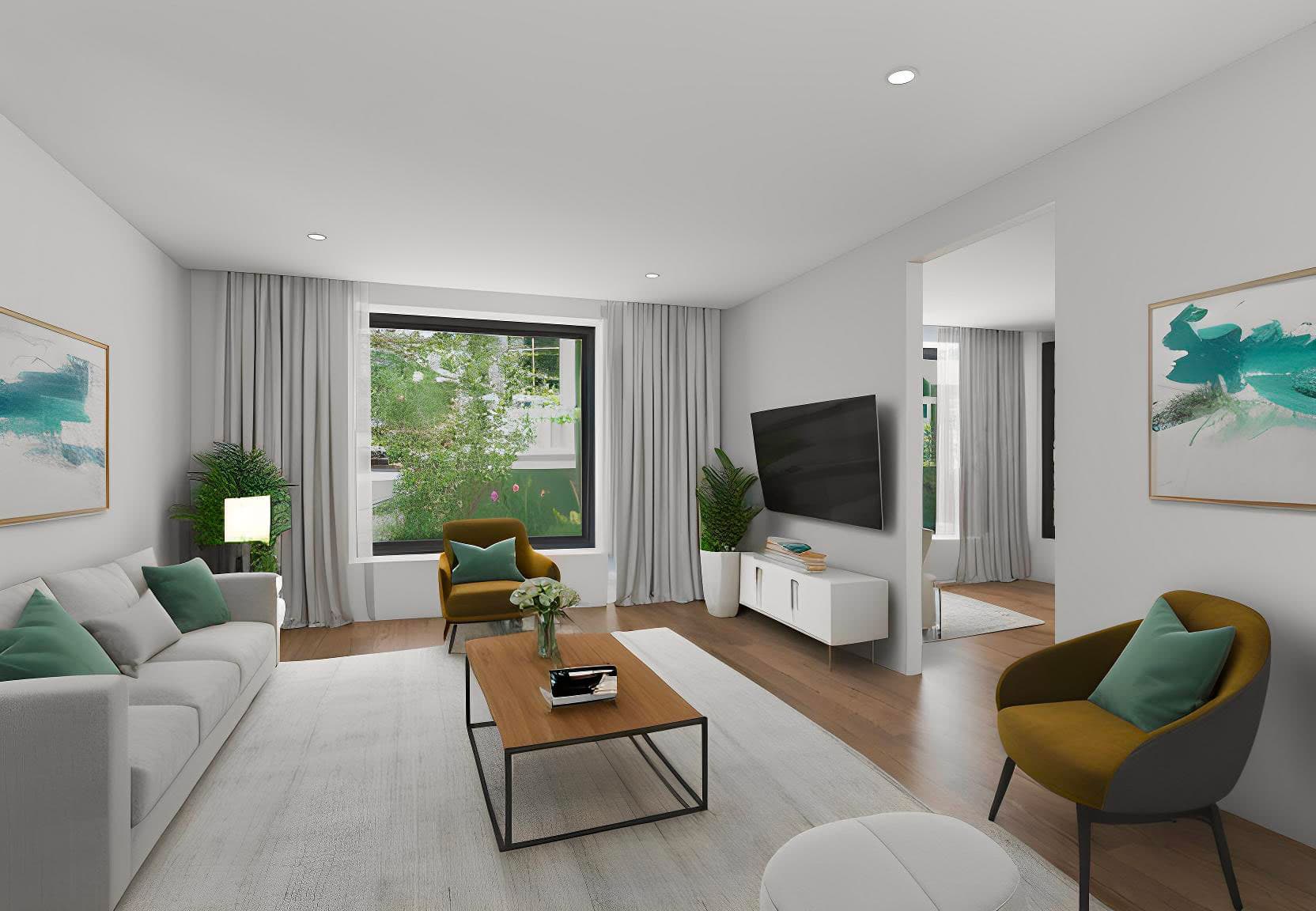
In 2025, virtual staging was still a way to stand out. In 2026, sellers started expecting it. In 2027, the question won't be "should I use it?" but "how do I use it better than the other agents in my market?"
Virtual staging tools are changing fast: AI personalization, a merge with video and 360° photos, and energy features worked into the staging itself. This guide covers the 5 trends that will shape virtual staging in 2027, and what each one actually changes for a real estate agent.
What you'll learn in this guide:
- Why styling by buyer profile is becoming the norm
- How virtual staging is merging with AI video and 360° photos
- Why warm, lived-in interiors are replacing sterile minimalism
- What stays off-limits, including the disclosure rules
- How to go from occasional staging to staging every listing
Virtual staging in 2027: where the market stands
The shift is well underway. In NAR's 2025 Profile of Home Staging, 83% of buyers' agents said staging makes it easier for buyers to picture a property as their future home, 17% said it raised offers by 1% to 5% compared with similar unstaged homes, and 30% of sellers' agents saw a slight drop in time on market (NAR). Those numbers cover staging in general, physical and virtual. They explain why virtual staging spread so fast: it brings the same effect to your listing photos, for a fraction of the median $1,500 spent on a staging service. And photos are where buyers look first: in NAR's 2025 Profile of Home Buyers and Sellers, 81% of buyers called them very useful when searching online.
What the numbers don't show yet is how the tools will evolve. Three forces are converging for 2027: AI that produces more consistent results, competition that pushes agents toward finer personalization, and buyers who want photos that look less "perfect" and more believable. Those forces drive the five trends below.
| Trend | What changes | What to do |
|---|---|---|
| Styling by buyer profile | A style for each target buyer instead of one style per home | Define 2-3 typical buyer profiles per home before you pick a style |
| Staging + video + 360° in one place | One platform covers photos, video, and 360° photos | Keep all of a listing's photos and videos in a single tool |
| Authenticity and natural materials | Sterile minimalism fades, lived-in details come back | Choose styles with texture (wood, linen, natural materials) |
| Energy-aware staging | Energy features shape how the home is presented | Note energy upgrades (windows, insulation, HVAC) in the staging brief |
| Staging every listing | Occasional use becomes systematic use | Build virtual staging into your process from the day you sign the listing agreement |
Trend #1: styling by buyer profile
Until now, most agents presented a home in a single virtual decor style, picked once and never revisited. The trend taking hold for 2027 is different: the same home shown in several styles, depending on the channel and the buyer you're targeting.
A one-bedroom condo downtown aimed at young professionals gets a Scandinavian or contemporary look on social media, and a warmer, more traditional version on a listing portal where older investors shop for rentals. This kind of segmentation used to be reserved for large new-construction developments. Now an independent agent can do it too, because an extra variant takes no extra time.
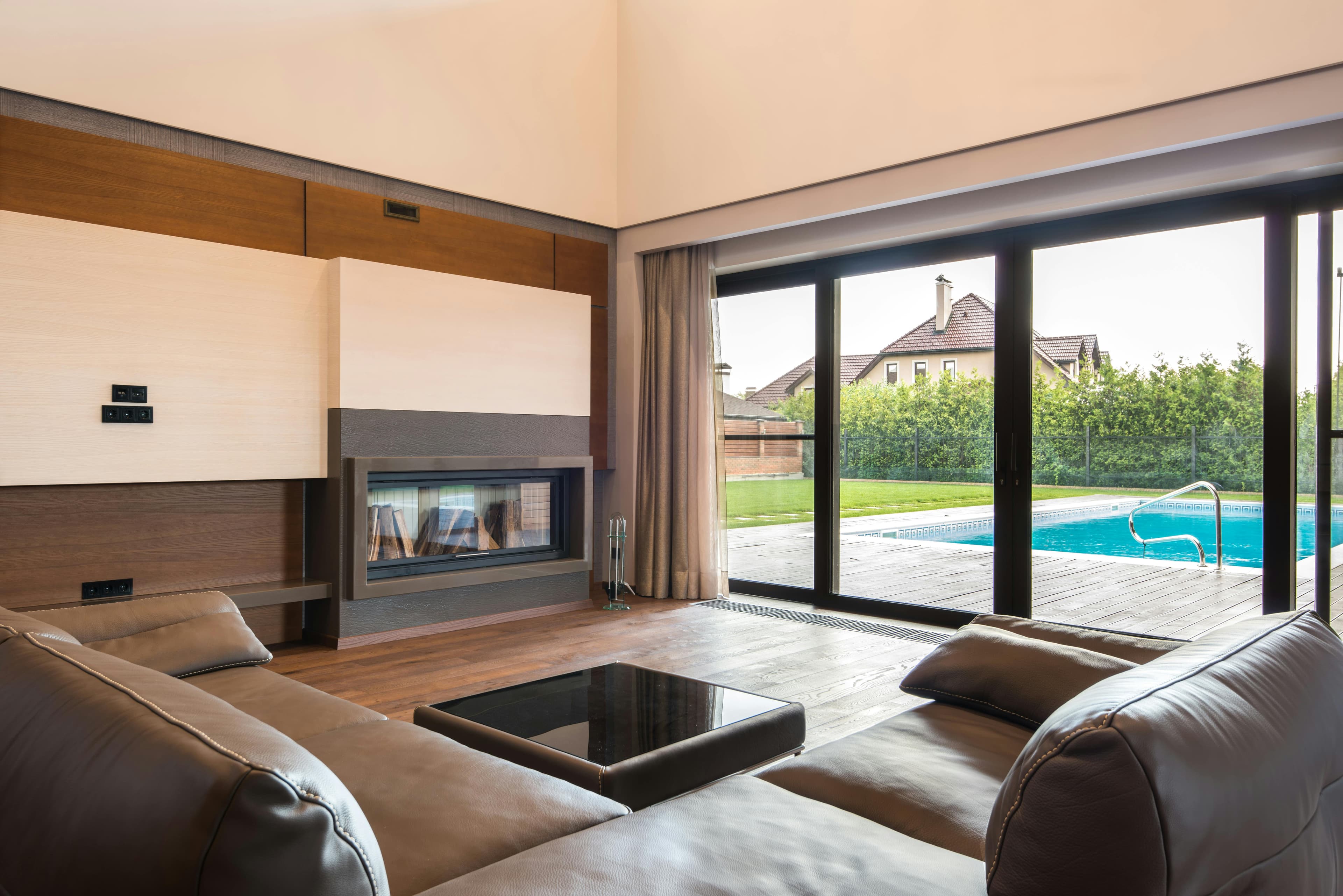
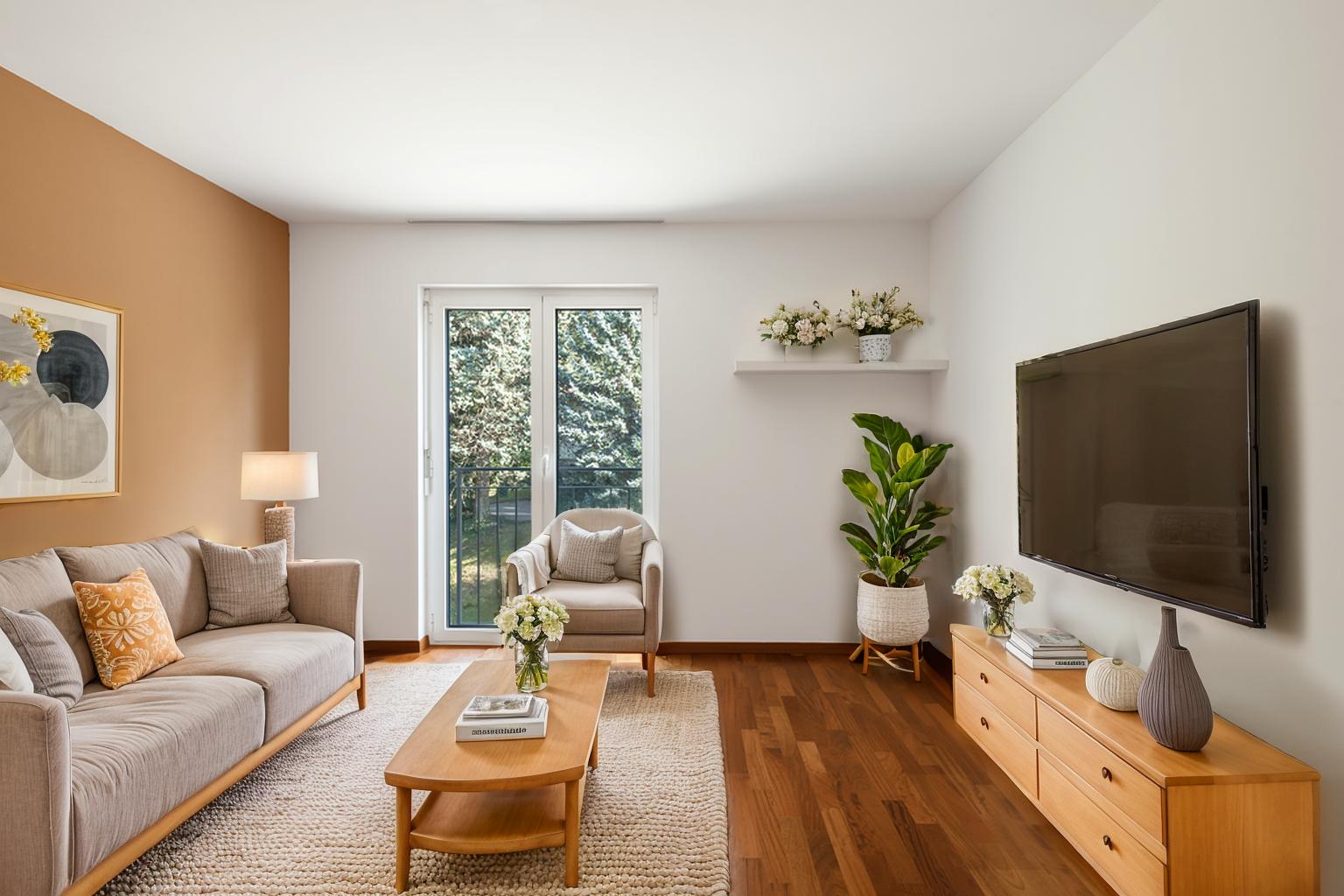 The same living room, styled differently for each target buyer: several variants for the price of one photo
With IACrea, generating three style variants of the same photo takes as long as generating one. You no longer have to guess the right style: test a few directions and keep whatever performs best on each channel.
Trend #2: virtual staging, AI video, and 360° photos merge
Virtual staging won't stay a standalone tool. Agents who invested in 2026 already combine staged photos, AI-generated real estate video, and 360° photos decorated with AI: three formats that tell the same story, built from the same source photos.
That convergence meets a real need. In NAR's 2025 Profile of Home Staging, 73% of buyers' agents said having photos available for a listing was more or much more important to their clients, 48% said the same of video, and 43% of virtual tours (NAR). In 2027, expect video and 360° content to become as routine as photos, driven by tools that turn one photo shoot into several formats, with no extra shoots and no extra vendors.
One listing, several formats
In practice, this changes your shot list. Instead of shooting "for the listing," you shoot "for the listing, the video, and the 360° photos," with one set of photos feeding all three. Virtual staging becomes the building block, not a separate product.
Trend #3: authenticity makes a comeback against sterile minimalism
The first generations of virtual staging produced very polished interiors: white walls, neutral furniture, almost no sign of life. That worked at first, but buyers who've seen hundreds of staged photos now read that look as fake.
The 2027 trend goes the other way: decor styles with natural materials (raw wood, linen, rattan), a few objects that suggest real life (a book on the coffee table, a plant that isn't perfect), and less uniform color palettes. The goal is still to help buyers picture themselves in the home, with more credibility: a lived-in interior, not a showroom.
Why it matters for conversion
A too-perfect image creates a gap at the showing. Buyers unconsciously compare the real room to a flawless photo, and the real room loses. A more textured, natural result narrows that gap and limits the letdown when buyers walk in.
Trend #4: energy-aware staging adds a new layer
As buyers pay closer attention to energy costs, virtual staging is starting to reflect it: highlighting insulation, double-pane windows, or a recent heating and cooling system, details that rarely showed up in standard listing photos.
This isn't a gimmick. A home with weak energy features, staged to play up its natural light and its potential for upgrades, stands out more than the same home shown without that context. Adding a line about energy features to your staging brief, even just to steer the style toward bright, warm rooms, is a habit worth building before 2027.
Trend #5: from occasional staging to staging every listing
The last trend is less visual and more operational: moving from occasional use (a few vacant homes staged case by case) to systematic use across all your listings, occupied homes included, thanks to virtual decluttering.
When a staged photo costs a few euros and takes a few seconds to generate, "I only stage vacant homes" no longer holds up. Agents getting ahead of 2027 build virtual staging in from the day they sign the listing agreement, on 100% of their listings, as automatic a step as booking the photographer.
A repeatable process, not an exception
- Shoot every home at the listing appointment
- Virtually stage the high-impact rooms (living room, kitchen, primary bedroom)
- Create style variants for each channel
- Get the seller's sign-off before publishing
- Reuse the same photos for the video and the 360° photos
Get the full method in our virtual staging guide and set up this process today.
What won't change: the disclosure rules
None of these innovations loosen the transparency rules. The NAR Code of Ethics (Article 12) requires members to present a true picture in their advertising. Since January 1, 2026, California's AB 723 (Business and Professions Code § 10140.8) requires a disclosure and access to the original image whenever a listing photo has been digitally altered. Expect scrutiny to grow as AI-generated content spreads across listing portals, and check your MLS's photo policy, since MLS rules vary. Our dedicated article covers how to disclose virtual staging in a listing, a step you should never skip, however sophisticated your tool.
Likewise, hiding a real structural defect behind a flattering image is still misrepresentation, and it can come back on you. The innovation is in the quality and personalization of the result, not in what you're allowed to do with it.
How to get ready now
You don't have to wait until 2027 to use these trends: most of the building blocks already exist. On IACrea, style variants, virtual decluttering, and videos built from the same photos are available today, in one interface instead of three separate tools.
Browse our before-and-after examples to see the current quality, and check our pricing page to estimate the cost of staging every listing rather than one home at a time.
FAQ: your questions about virtual staging trends
Will virtual staging replace physical home staging in 2027? No, not entirely. For luxury homes and very high-end markets, physical staging still has a role: buyers walk through a space that's actually furnished. But for most everyday sales, virtual staging is already the default, and that shift will only speed up in 2027.
Is AI personalization of staged photos reliable? Yes, as long as the result stays realistic and fits the local market. Current tools match the decor style (Scandinavian, traditional, contemporary) to the buyer you're targeting, but you keep the final say: the AI suggests, you approve before the listing goes live.
Do you need several tools to keep up with these trends (staging, video, 360°)? Not necessarily. The underlying trend is consolidation: platforms like IACrea combine virtual staging, AI video, and AI decoration of 360° photos in one interface, so you're not juggling several subscriptions and exports.
Will virtual staging still be legal and regulated in 2027? Yes, and the rules are getting clearer, not looser. The NAR Code of Ethics (Article 12) already requires members to present a true picture in their advertising, and since January 1, 2026, California requires a disclosure and access to the original image for digitally altered listing photos. MLS rules vary, so check your MLS's photo policy before you publish.
What's the main change a real estate agent should plan for right now? Moving from occasional virtual staging (a few vacant homes) to systematic use across all your listings, with a style matched to each buyer profile. That's what will separate the agents who are ahead of 2027 from the ones left playing catch-up.
Conclusion
Virtual staging in 2027 won't be a sudden technological break. It will be the sum of five shifts already taking root: styling by buyer profile, a merge with video and 360° photos, a return to authenticity, energy awareness, and above all, staging every listing.
Agents who start building this process now will be ahead when these practices become the norm. Try IACrea for free and set up the virtual staging workflow that will still hold up in 2027.
About the author

Co-founder & CEO of IACrea
Pauline Clavelloux is co-founder and CEO of IACrea. In daily contact with real estate agencies and agents, she understands their challenges around visibility, marketing and lead generation. On the blog, she shares actionable strategies on real estate marketing, social media and prospecting in the age of AI.
Related articles
Ready to turn your photos into content that sells?
Join thousands of real estate agents using IACrea to create professional content in seconds.
Try for free →