
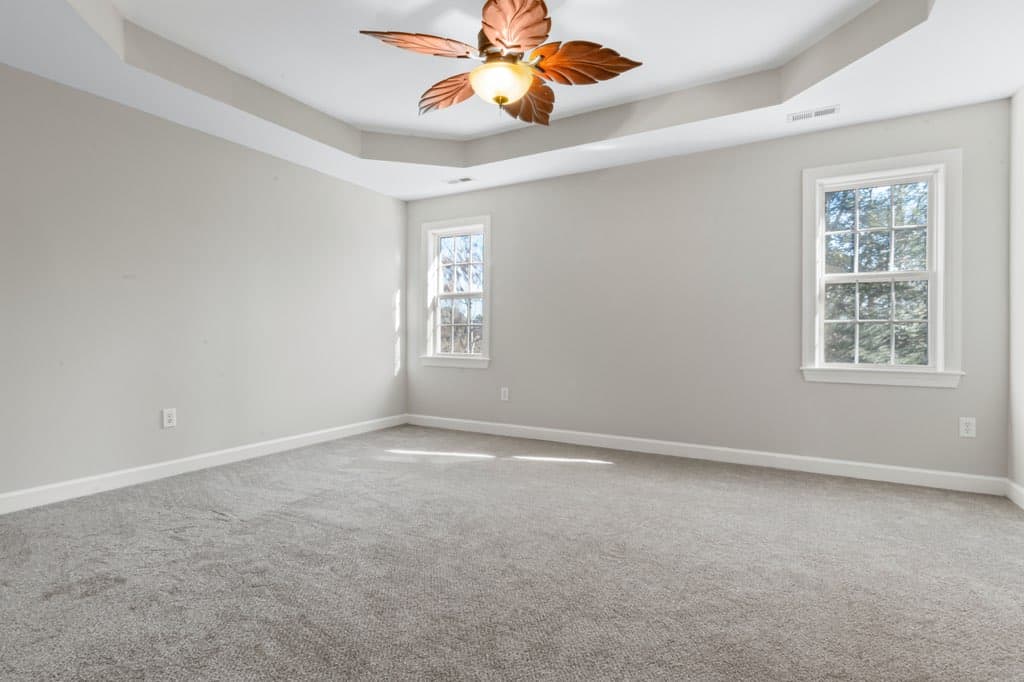
Virtual home staging transforms an empty room into a warm interior in just seconds — but this power raises a legitimate question: is it allowed to publish these photos in a listing, and should it be specified?
The quick answer: virtual home staging is legal in France, provided you remain transparent and never hide the actual condition of the property. A clear mention in the listing is enough to stay within the legal framework. This article explains what the law states, what you can or cannot do, and how to phrase the mention to showcase your properties with confidence.
What you'll learn in this guide:
- The exact legal framework applicable in France
- The boundary between authorized enhancement and prohibited deception
- The wording to use, and where to place it
- Best practices to protect agents and sellers
Is virtual home staging legal?
Yes. No regulation forbids retouching or virtual staging of real estate photos. What’s regulated is the honesty of the information provided to the buyer.
This principle stems from the Consumer Code, which prohibits misleading commercial practices: an advertisement must not rely on false claims or information that could mislead about the property's essential features (size, condition, amenities). You can consult the general framework on the DGCCRF website and the reference text on Légifrance.
Practically speaking: virtually furnishing an empty living room does not mislead anyone about its size or structure. However, removing a crack or moisture stain from the photo does. It’s this boundary — highlighting potential without hiding reality — that distinguishes healthy practice from risky behavior.
The boundary: enhance without deceiving
Not all transformations are equal. Here's what to avoid.
What you can do
- Furnish an empty room or change the style of existing furniture
- Declutter a cluttered space to reveal its volume
- Refresh walls or update dated decor
- Improve lighting and exposure (standard photo editing)
These actions showcase the potential of the property without altering its real features. That’s precisely the purpose of virtual staging: to help the buyer imagine a home, not to rewrite reality.
What you must never do
- Hide a defect: crack, moisture, wear, infiltration
- Alter the structure: enlarge a room, move a partition, add a non-existent window
- Make a permanent obstacle disappear: neighboring building, high-voltage line, vis-à-vis
- Change the view from a window to make it more appealing
These manipulations concern essential characteristics and could lead to accusations of deceptive practices.
The mention to include in the listing
Transparency is your best protection — and it’s simple to implement. The best practice is to clearly specify the photos concerned.
Recommended phrases:
- "Photos with virtual staging"
- "Virtual staging for illustration only"
- "Furniture added digitally — property sold unfurnished"
Where to place it:
- In the caption of the staged photo(s)
- And/or in the description of the listing
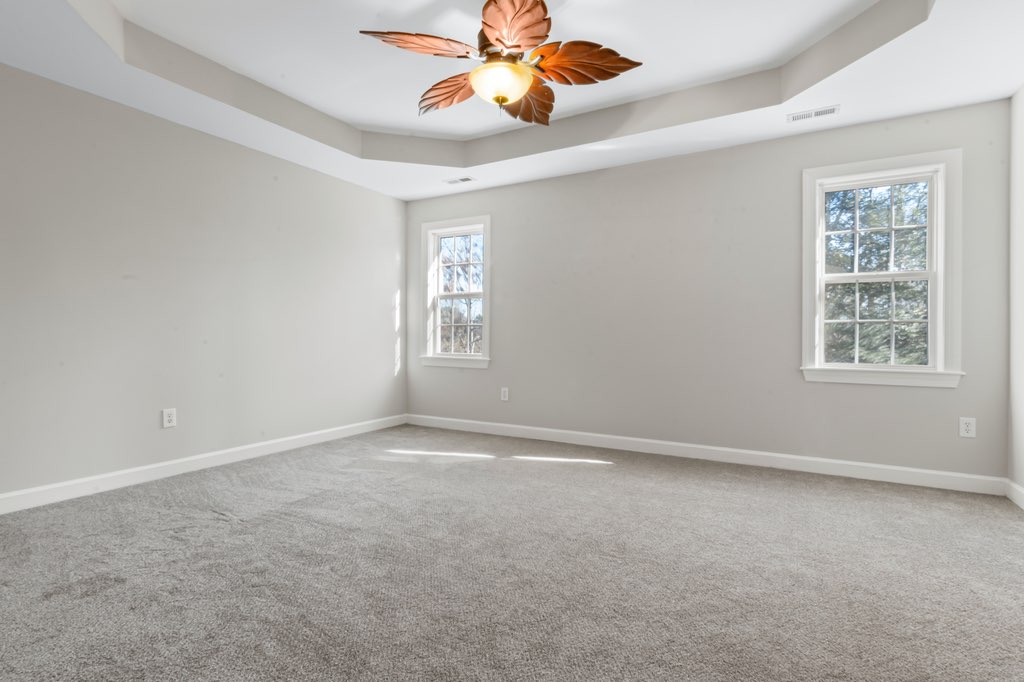
Ideally, for each staged room, include at least one unedited photo so the buyer can compare. This dual approach — mention + original photo — demonstrates your good faith and helps prevent disputes from the outset.
Real estate portals: what you need to know
Major portals (SeLoger, Leboncoin, Bien’ici…) accept photos with virtual staging as long as properly disclosed. The best practice remains the same regardless of platform: mention the staging and keep the original photos.
To enhance listings further, many agents combine staging with other transparent treatments — like virtual decluttering for cluttered spaces or improving lighting via the IACrea real estate photo app. These activities fall under standard enhancement and are entirely acceptable as long as the actual volume and condition are accurately represented.
Who is responsible in case of dispute?
The advertiser — the agency or representative who publishes — is responsible for the content of the listing. That’s another reason to ensure transparency: an explicit mention and retention of original photos usually suffice to prove your good faith in case of dispute.
In practice, disputes over virtual staging are rare precisely because the mention clarifies everything upfront. Buyers know they’re seeing a projection, not an exact condition report. An informed buyer who visits is an engaged buyer, with expectations aligned with reality — leading to more qualified visits.
In summary
Virtual home staging is a powerful and legal enhancement tool, provided you are transparent. Show potential, never fake conditions. Add a clear mention, keep your original photos, and you turn a gray area into flawless professional practice.
To see the difference between an untouched room and a staged one, browse our before/after examples, and discover how other agents use it daily in our complete guide to virtual staging.
FAQ
Is virtual home staging legal in France?
Yes. Virtual staging is perfectly legal in France, as long as it does not mislead the buyer about the actual condition of the property. The Consumer Code prohibits deceptive commercial practices: as long as the staging does not hide a defect and is clearly indicated, it’s allowed.
Should virtual staging be mentioned in the ad?
Yes, it’s highly recommended and best practice. A clear mention like “Photos with virtual staging” near the relevant visuals is enough to ensure transparency and protect both agent and seller.
What can and cannot be done with virtual staging?
You can furnish an empty room, change decorating style, declutter, or virtually repaint. You cannot hide a real defect (crack, moisture, wear), modify the property’s structure, or make permanent obstructions disappear (neighboring building, pylons). The key rule: highlight potential, never conceal reality.
Do portals like SeLoger or Leboncoin accept staged photos?
Yes, the main portals accept photos with virtual staging as long as they’re clearly indicated. The best approach is to add a mention in the caption or description, and keep at least one unaltered photo of each staged room.
Is the seller or agent responsible in case of dispute?
The advertiser — agency or representative — is responsible for published content. Transparency helps: an explicit mention and retention of original photos demonstrate good faith in case of a dispute.
Conclusion
When used correctly, virtual staging enhances a property without betraying the buyer’s trust. Transparency isn’t a constraint — it’s a commercial advantage: it reassures, qualifies visits, and protects your liability. Ready to stage your properties properly? Try IACrea virtual staging and create visuals that sell, legally.
About the author

Co-founder & CEO of IACrea
Pauline Clavelloux is co-founder and CEO of IACrea. In daily contact with real estate agencies and agents, she understands their challenges around visibility, marketing and lead generation. On the blog, she shares actionable strategies on real estate marketing, social media and prospecting in the age of AI.
Related articles
Ready to turn your photos into content that sells?
Join thousands of real estate agents using IACrea to create professional content in seconds.
Try for free →