

A buyer spends an average of 7 seconds on a listing photo before moving to the next. In a market where dozens of similar properties are listed at the same time, visual presentation is no longer a luxury — it’s a direct sales driver.
Virtual home staging changes that: from a simple photo of an empty or poorly furnished property, artificial intelligence generates a decorated, bright, and desirable version in seconds. No moving furniture. No rentals.
This comprehensive guide covers everything you need to know: definition, key figures, how the AI works, use cases, mistakes to avoid, and pricing — so you can add virtual home staging to your very next listing.
What you’ll learn in this guide:
- The concrete difference between virtual and traditional home staging (with comparison table)
- Why listings with virtual staging sell 23% faster
- The step-by-step process with IACrea
- The 5 most profitable use cases for a real estate agent
- The legal and visual mistakes to avoid at all costs
What is virtual home staging?
Virtual home staging means digitally furnishing and decorating a property from existing photos — without moving a single piece of furniture, without renting a single piece of equipment.
In practice: you photograph an empty (or poorly furnished) apartment, upload the photo to an AI home staging tool, and within seconds you get a furnished, decorated, and bright version of the same space.
The result? Listing photos that let buyers project themselves instantly into the property, without any effort of imagination.
A concrete example: kitchen before/after
Here’s what virtual home staging looks like on an empty kitchen — a result produced in under a minute with IACrea:
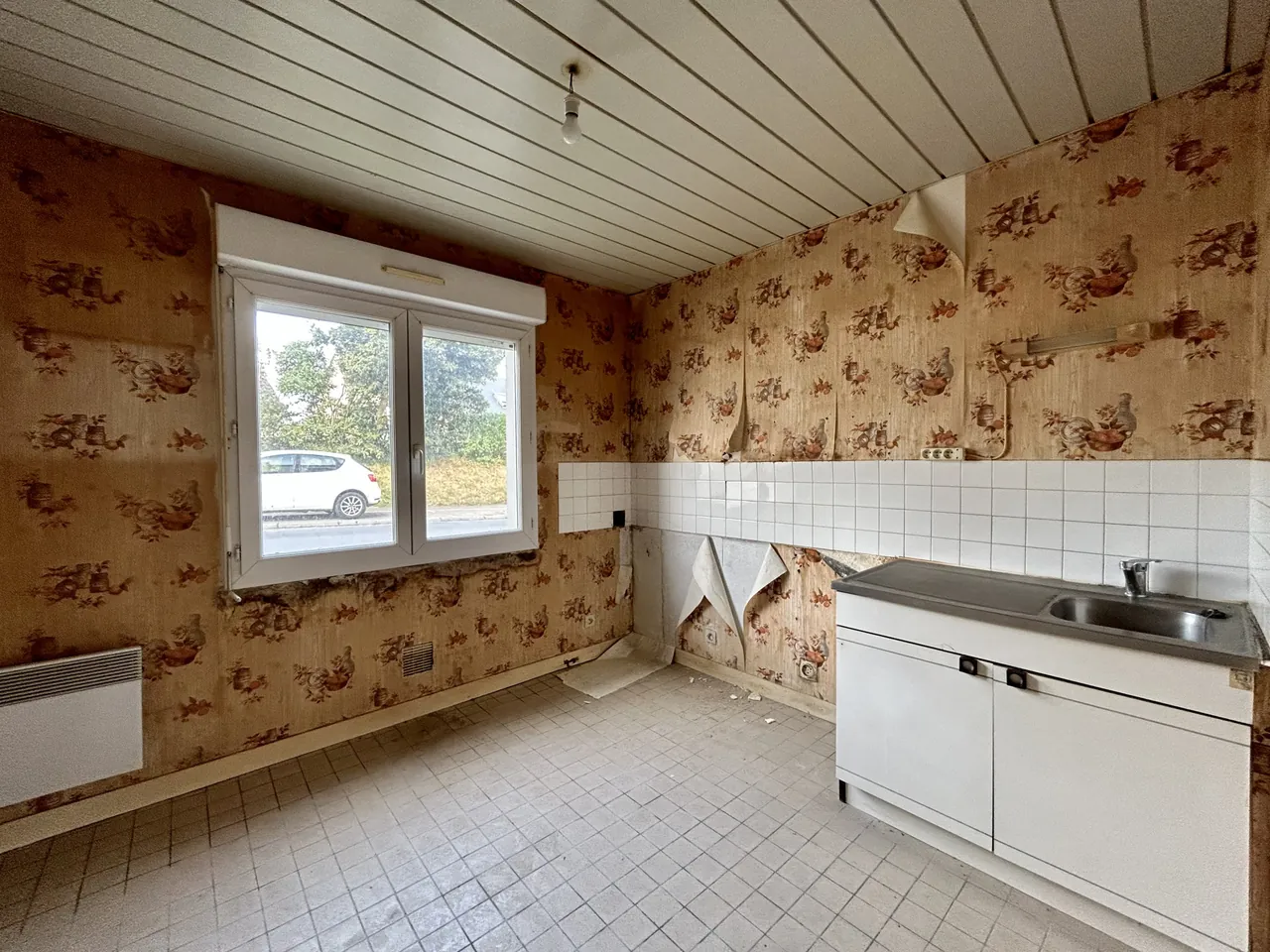 Before: empty, cold kitchen, hard to showcase
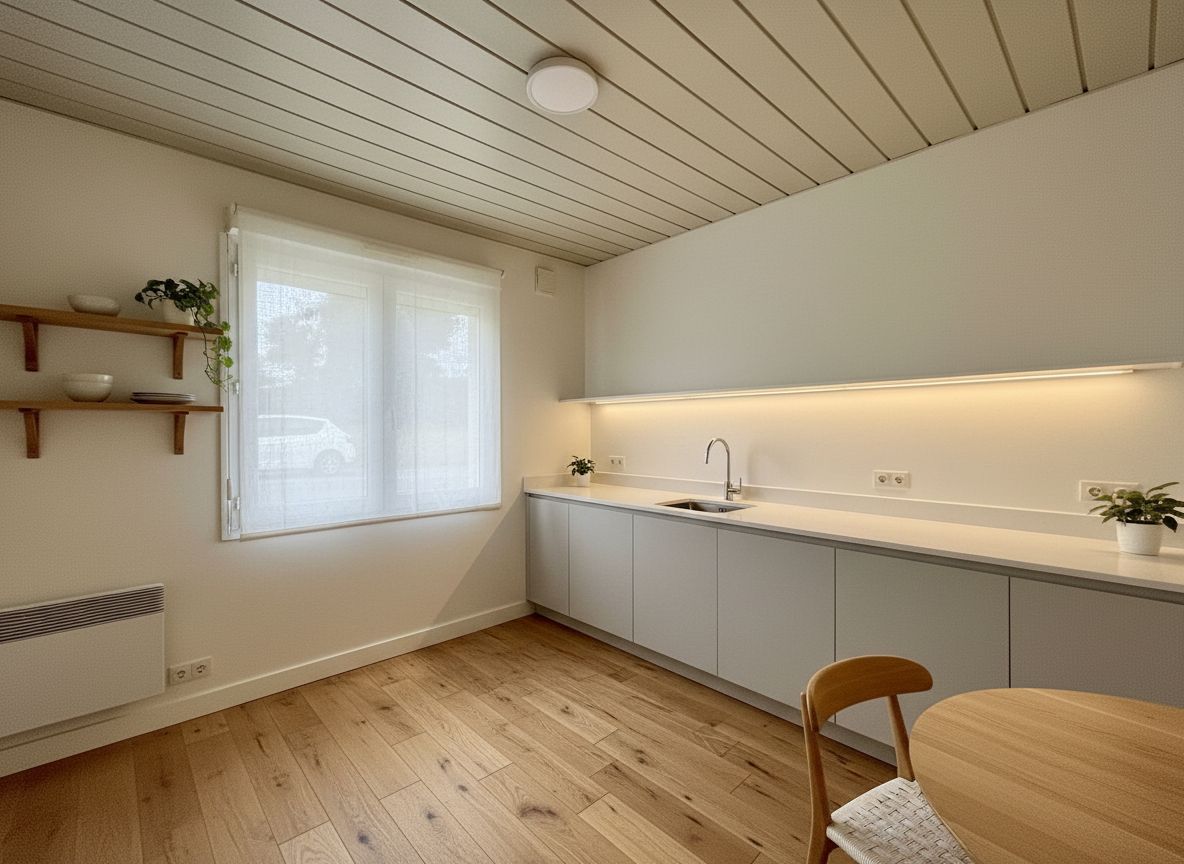 After: same kitchen, same angle, furnished and styled by AI
Virtual home staging vs traditional home staging
Physical home staging has proven its worth since the 1970s (Barbara Schwarz, an American decorator, is credited with popularizing the concept). But in 2026, the comparison with virtual staging is unequivocal:
| Criterion | Traditional home staging | Virtual home staging |
|---|---|---|
| Average cost | €1,500–€5,000 | €15–€50 per room |
| Turnaround | 3–10 days | Seconds to minutes |
| Revisions | New on-site intervention | Unlimited online |
| Applicability | Properties that are accessible and available | Any photos (empty, occupied, under renovation) |
| Guaranteed result | No (depends on real-world decor) | Yes (controlled 3D render) |
Virtual staging doesn’t systematically replace physical staging for prestige properties or ultra-premium markets — but it’s the optimal solution for 90% of standard real estate transactions.
Why virtual home staging increases a property’s perceived value
The psychological impact of projection
Studies by the National Association of Realtors (NAR) show that 83% of buyers find it easier to visualize a furnished property than an empty one. An empty space amplifies flaws (wall imperfections, hard-to-read proportions), whereas a furnished space guides the eye to the strengths (light, volume, flow).
Virtual home staging acts directly on this buying psychology.
Stats that speak for themselves
- Listings with virtual home staging receive on average 40% more views than raw photos (source: Fixr Real Estate Report, 2025)
- Virtually staged properties sell 23% faster than those shown with standard photos
- 68% of buyers say a furnished photo prompted them to visit a property they would otherwise have ignored
For a real estate agent, these numbers translate directly: fewer days on market, faster closings, happier sellers — and a stronger reputation.
Example: bedroom before/after
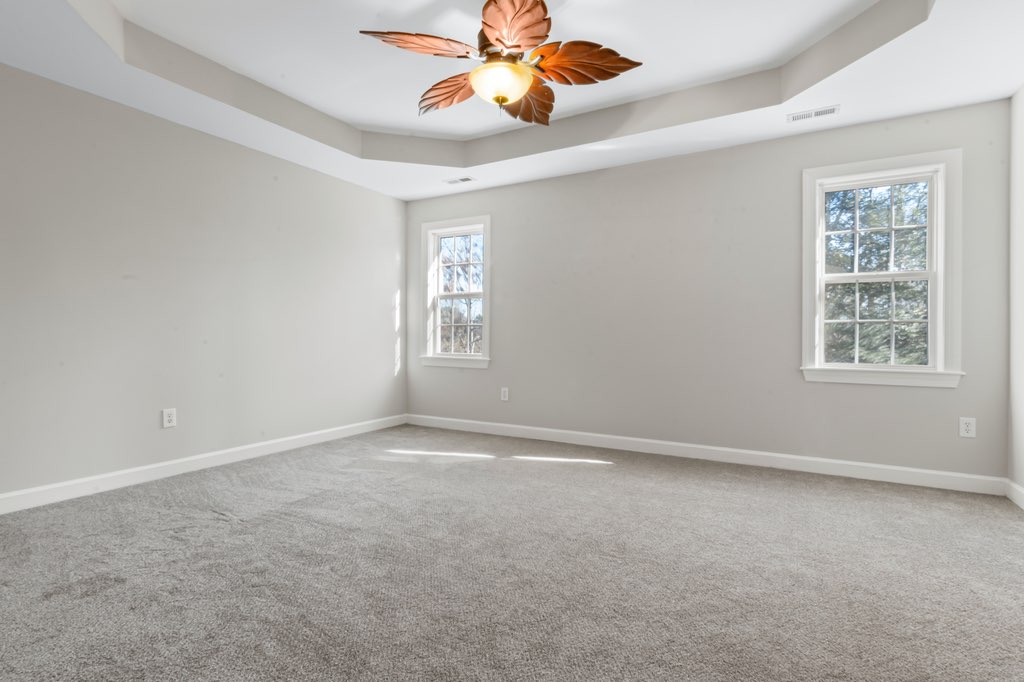 Before: empty bedroom — buyers struggle to gauge the true size
 After: the room comes to life, volume becomes tangible, buyers can picture themselves there
How AI-powered virtual home staging works
Early virtual staging solutions relied on human 3D designers manually building scenes from a photo. It was expensive (€200 to €500 per room) and slow (24 to 72 hours).
Since 2023, generative AI has changed the game: the furnished render is computed directly from your photo, respecting the room’s geometry and its natural light. Seconds instead of days, a few euros instead of several hundred. Here’s the current process with IACrea:

Step 1: Upload the photo
You upload your raw photo. The photo can be:
- A completely empty property (new-build, vacated home)
- A property with outdated furniture to be visually replaced
- A room under renovation whose potential you want to showcase
Step 2: Choose the decor style
IACrea offers a library of styles: Scandinavian, Modern, Classic, Industrial, Bohemian, Contemporary Luxury… Choose the style that fits your target buyers.
A downtown apartment targeting young professionals? Go Scandinavian or Modern. A family house in the suburbs? A warm Classic look will be more convincing.
Step 3: AI generation in seconds
The algorithm analyzes the room’s geometry, detects the walls, floor, and openings, and generates a coherent furnished render that respects the original photo’s perspectives and natural light sources.
Step 4: Adjustments and export
You can request variants (different style, colors, furniture density) and export the photos in high resolution for your listing portals.
Total time: 2–5 minutes per room. A 4-room apartment is processed in under 20 minutes. See the results on our examples page.
Virtual home staging use cases in real estate
1. Empty properties in VEFA or new-builds
This is the most obvious use case. A new development delivers homes without any furniture. “Developer-style” 3D views often feel too artificial. Virtual staging on real photos looks far more credible.
2. Re-marketing after move-out
The owner has moved out, the property is empty. Without staging, photos feel cold. With virtual home staging, the listing goes live immediately after the shoot.
3. Renovation and selling as-is
You’re selling a property to renovate. Virtual staging lets you show the potential with a projected kitchen, a refreshed living room — without incurring the cost of a real renovation.
4. Multi-style listings for different audiences
The same property can be presented in different styles depending on the channel: Scandinavian for social media, Classic for the SeLoger portal, Industrial for print materials aimed at investors.
5. Virtual decluttering
The property is occupied but overloaded with old furniture or personal items. Virtual decluttering removes the existing furniture and replaces it with a pared-back version — without asking the owner to move a thing.
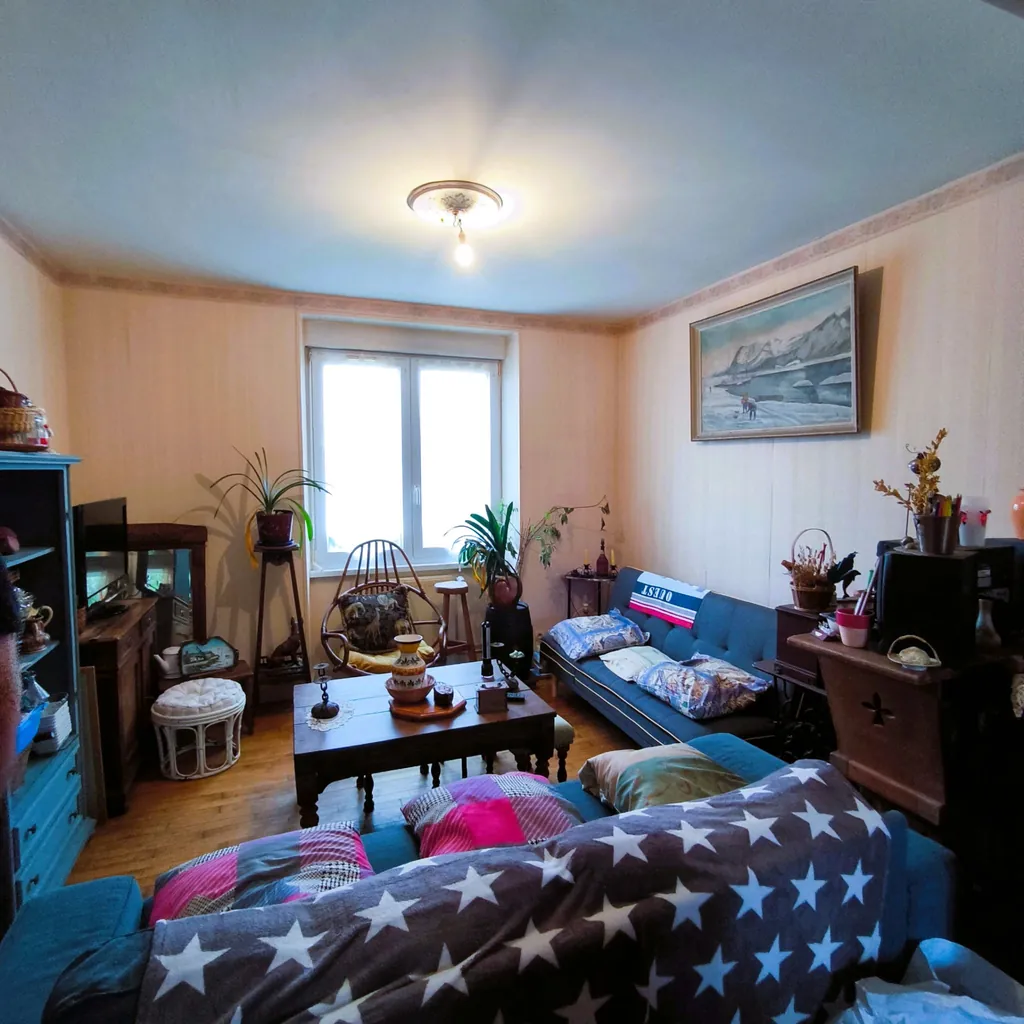 Before: without decluttering — the old furniture makes the room feel smaller
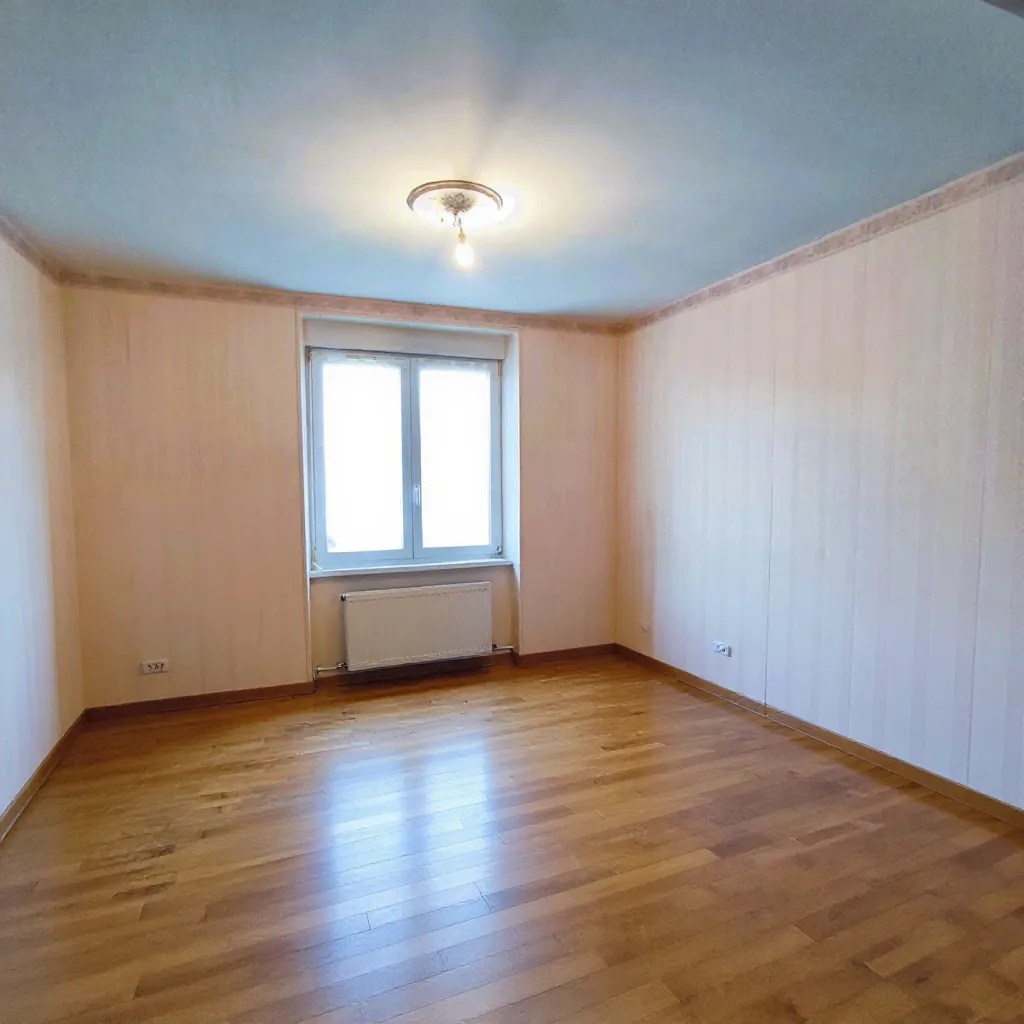 After: the same space decluttered and refurnished by AI — the true floor area finally stands out
Mistakes to avoid with virtual home staging
Mistake #1: Not disclosing that the photo is staged
Transparency is non-negotiable. Any listing using virtually staged photos must state it explicitly (“photo with virtual home staging” or “representation of the property’s potential”). Failing to do so creates buyer expectations that will inevitably be disappointed during the visit — and can lead to legal disputes.
Mistake #2: Using a style out of step with the market
A very luxurious style on a studio in the outskirts creates a cognitive mismatch that hurts credibility. The style must match the price point, location, and target buyers.
Mistake #3: Neglecting the quality of the original photo
AI can do a lot, but it can’t fix a blurry, underexposed photo or one shot with extreme wide-angle distortion. Invest in a good shoot before applying virtual staging. Read our guide to professional real estate photography for the technical basics.
Mistake #4: Staging every room indiscriminately
Focus on high-impact rooms: living room, kitchen, primary bedroom. Hallways, cellars, and garages generally don’t need staging.
How to integrate virtual home staging into your service offering
Offer it systematically as added value
Many agents include virtual home staging at no extra charge — bundling it into their standard fee. It’s a powerful differentiator versus agencies that only offer raw photos.
Create a repeatable process
- Shoot on the day of the valuation (or outsource to a partner photographer)
- Select the 5 to 8 best raw photos
- AI generation via IACrea (15 to 30 minutes of work)
- Client approval before publication
- Export and publish on the portals
Document your wins
Build a before/after portfolio. These visuals are your best sales argument with homeowners: compare the same empty room and the staged version side by side, and show it at the very first listing appointment. Check our before/after examples for inspiration.
Virtual home staging in 2026: what AI really changes
In 2024, virtual staging AI models could still look a bit “synthetic” — odd floor textures, inconsistent shadows, slightly floating furniture. In 2026, quality has taken a major leap.
The latest-generation models used by IACrea include:
- Perspective coherence: generated furniture rigorously respects the original shot’s vanishing points
- Natural light handling: shadows and reflections are computed based on the windows visible in the photo
- A library of real furniture: generated pieces draw on existing catalogs (IKEA, Made, Roche Bobois…) for a recognizable, credible look
- Automatic room detection: the AI identifies whether it’s a living room, bedroom, or kitchen and adapts the furnishing accordingly with no manual setup
The result is now convincing enough to go live without retouching on most real estate portals.
How much does virtual home staging cost in 2026?
Market solutions compared
| Solution | Type | Indicative price | Turnaround |
|---|---|---|---|
| Freelance 3D designer | Human | €150–€400/room | 24–72 h |
| Virtual staging agency | Semi-human | €80–€200/room | 12–48 h |
| AI software (IACrea) | AI | €1–€5/photo | < 1 min |
| Physical staging | Physical | €1,500–€5,000 | 3–10 days |
The price gap between AI solutions and traditional options is now so large that the real question isn’t “do I have the budget?” but “why am I not doing this for all my listings?” For a closer look at the leading AI options, our comparison of the best home staging software breaks down pricing, strengths, and limitations of each.
To compare the wider range of virtual staging and real estate marketing tools on the market, the independent directory Les Outils Immo lists the main solutions sorted by feature and by price.
The ROI for a real estate agent
An average agent in France handles 30 to 50 listings a year. If virtual home staging cuts the average days on market by 15 days, and the agent charges around €5,000 in fees per transaction, the impact shows up in portfolio fluidity and client satisfaction — not just in direct euros.
See our pricing page for plans tailored to your volume.
FAQ: your questions about virtual home staging
Is it legal to use staged photos in a listing? Yes, provided you disclose it clearly. In France, consumer law requires you not to mislead the buyer about the property’s actual condition. A clear note like “photo with virtual home staging” is sufficient.
Do real estate portals accept staged photos? Yes, SeLoger, Leboncoin, PAP, and most portals accept staged photos, as long as the disclosure is present. Some portals have their own guidelines — check before publishing.
Can you stage a photo taken with a smartphone? Yes, today’s AI models handle smartphone photos well, provided the resolution is sufficient (at least 1,200 × 900 px) and the shot is well exposed.
Do I need technical skills to use IACrea? No. The interface is built for real estate agents, not graphic designers. You upload your photo, pick a style, download the result. No learning curve.
How long does it take to get a result? Less than a minute per photo on IACrea. Fully processing a 4-room apartment (selecting the best views, generation, export) takes under 30 minutes.
Conclusion: virtual home staging has become a market standard
Five years ago, virtual home staging was a competitive edge reserved for big agencies. Today it’s a standard expectation for sellers and buyers, made accessible to all thanks to AI tools.
Agents who still don’t use it leave their listings in the shadows, up against competitors showcasing furnished, bright, and desirable homes.
The good news: with IACrea, adding virtual home staging to your workflow takes no more than 30 minutes per listing — and the impact on your marketing quality is immediate.
Try IACrea for free and see in seconds what your properties can become.
About the author

Co-founder & CTO of IACrea
Constance Laborie is co-founder and CTO of IACrea, the AI platform that helps real estate professionals create their visuals — photos, virtual home staging and videos — in seconds. She leads the product and technical development of the platform and writes practical guides on real estate photography, virtual home staging and the use of AI in real estate.
Related articles
Ready to turn your photos into content that sells?
Join thousands of real estate agents using IACrea to create professional content in seconds.
Try for free →